
A public listing for a computing company
Raspberry Pi’s shares reached 389 pence during their London debut on June 11, 2024, against an offer price of 280 pence. Reuters reported the intraday LSEG price, approximately 39% above the offer, rather than a closing quotation. The offer valued the business at more than £540 million. That valuation described the company’s shares, rather than the money available for new engineering projects.
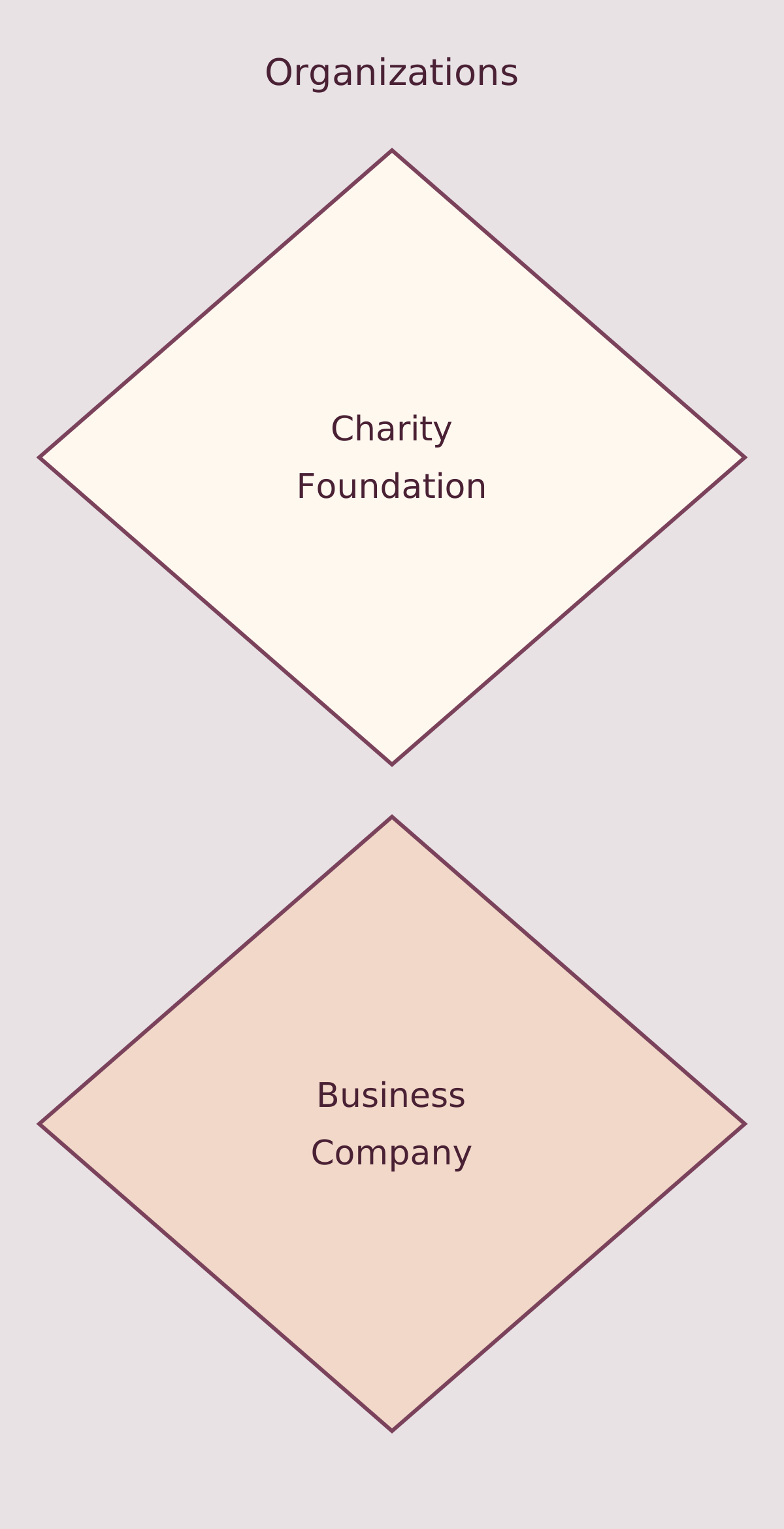
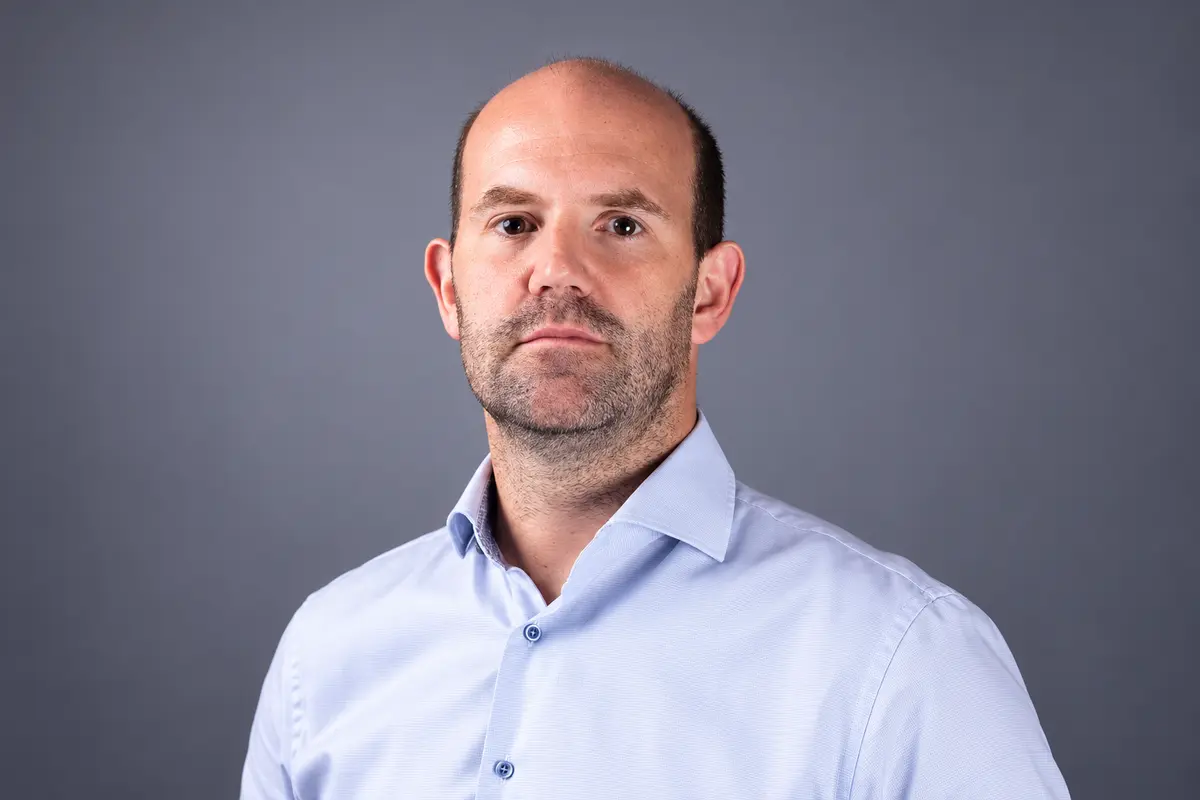
Chief executive Eben Upton marked the listing of Raspberry Pi Holdings plc as a new stage for the business. He distinguished access to capital for product development from the money raised by its shareholder, the Raspberry Pi Foundation. The company designed and sold computing products; the foundation pursued an educational mission. Their shared name connected two organizations with separate activities and different uses for the proceeds.
The foundation and its commercial subsidiary
The Raspberry Pi Foundation began in 2008 as a British educational charity. Raspberry Pi Ltd was incorporated in 2012 as its commercial subsidiary, responsible for designing, producing and distributing computers and associated technologies. Before the listing, foundation chief executive Philip Colligan explained that the two organizations were legally and practically separate despite their common mission. The foundation developed classroom resources, supported teacher training, ran coding-club programmes and conducted computing-education research. Its learning materials were platform agnostic: schools did not need Raspberry Pi computers to use them.
By May 2024, the commercial company had donated nearly $50 million from profits to the foundation. Additional educational funding came from philanthropy, sponsorship and service contracts. A listing offered the company a way to issue new shares while allowing the foundation to sell part of its existing holding. Colligan proposed using the latter proceeds as an endowment. His ambition was for approximately half the foundation’s activities to be financed from that endowment and half through partnerships and donations. This described a funding objective, rather than an already achieved allocation.
The engineering programme behind Raspberry Pi 5
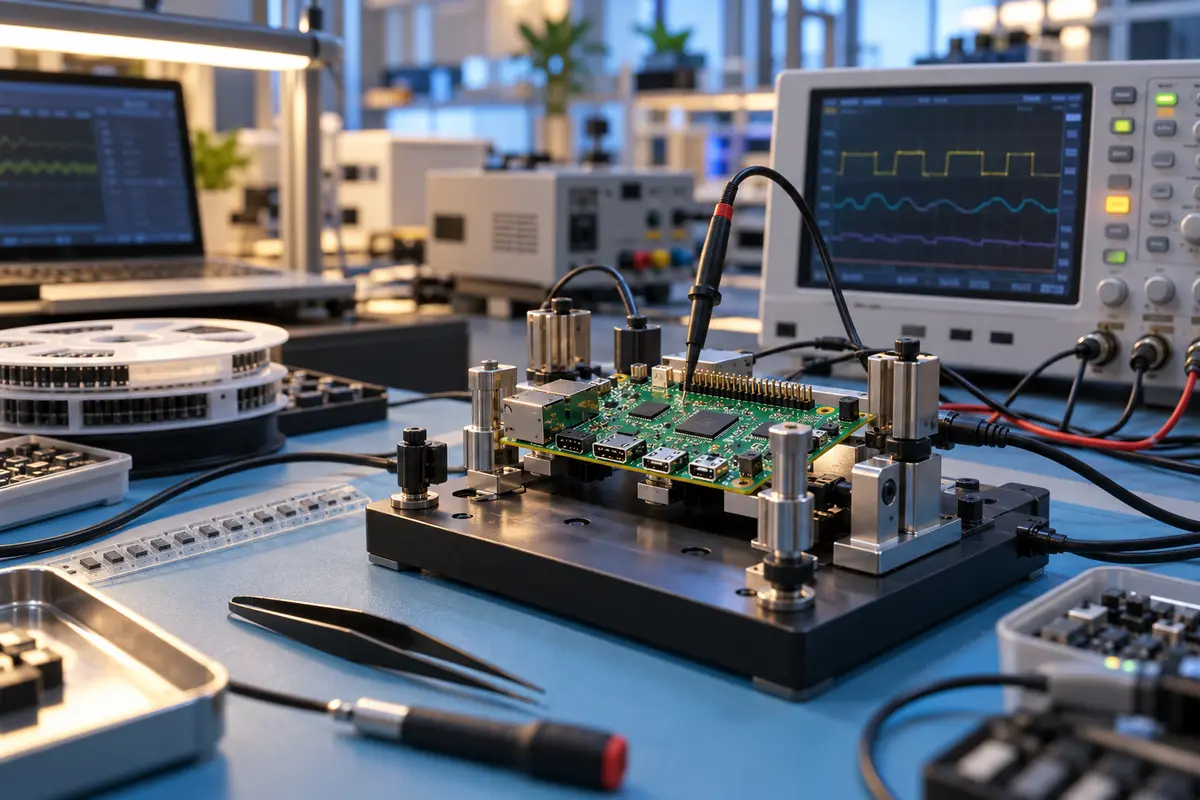
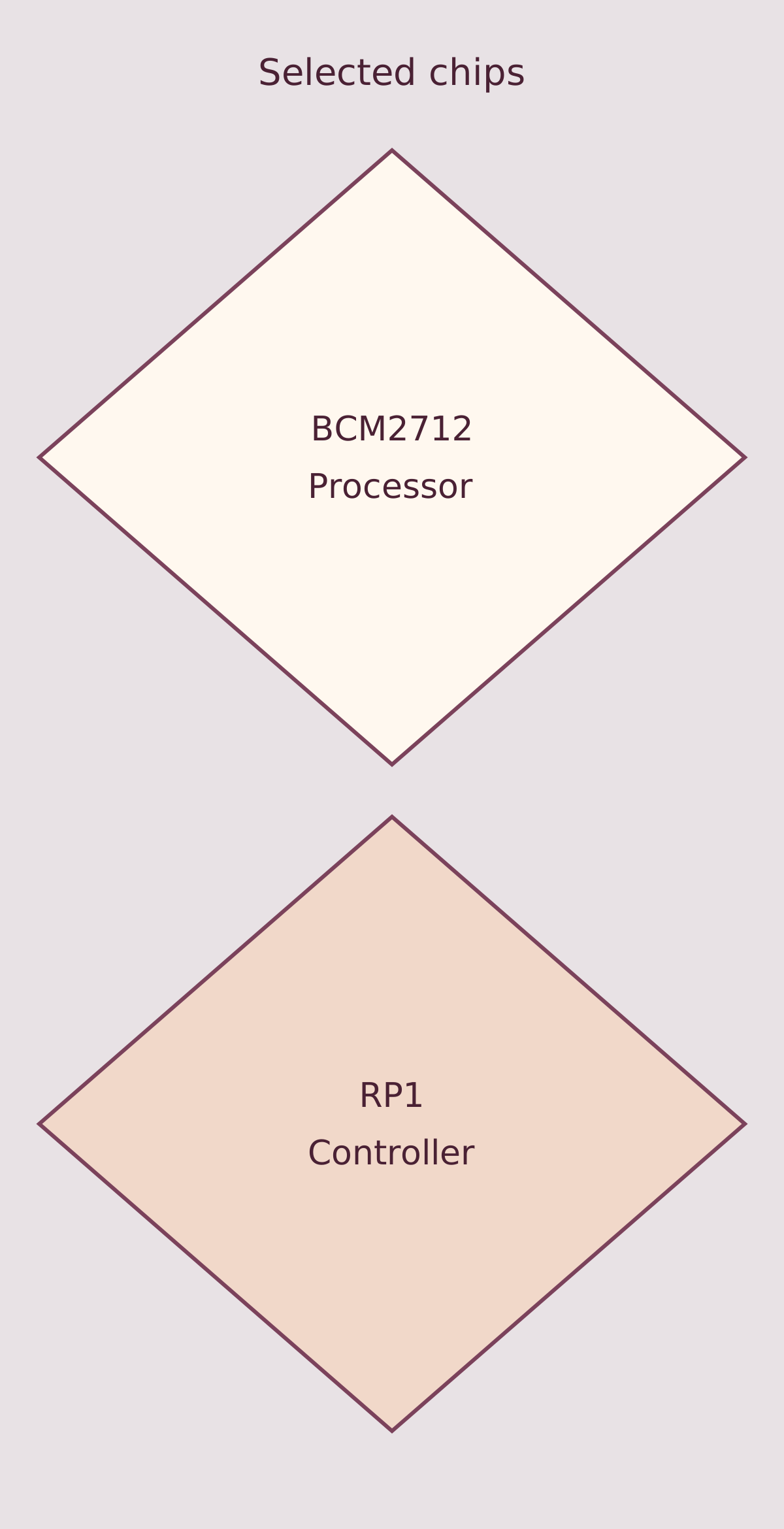
Raspberry Pi 5 was announced on September 28, 2023, after a seven-year development programme costing $25 million. Its chipset combined Broadcom’s BCM2712 application processor, Raspberry Pi’s RP1 input/output controller and Renesas’s DA9091 power-management chip. The RP1 programme alone cost $15 million, within the wider development effort. Separating many peripheral functions from the application processor allowed Raspberry Pi to implement them on an older manufacturing process. The architecture connected the two chips over PCI Express while retaining the smaller-process application processor for demanding computing functions.
Sony’s UK Technology Centre in Pencoed, South Wales, manufactured the board. Production changes included intrusive reflow for connectors, routed separation of boards from manufacturing panels and revised production testing. The initial 4GB and 8GB models were announced at $60 and $80 before local taxes. Those were historical launch prices, not a current retail quotation. The board incorporated a 2.4GHz quad-core Cortex-A76 processor, while changes to connectors and power requirements also required new accessories. Its higher peak performance came with additional thermal and power considerations under demanding workloads.
Remote access through Raspberry Pi Connect
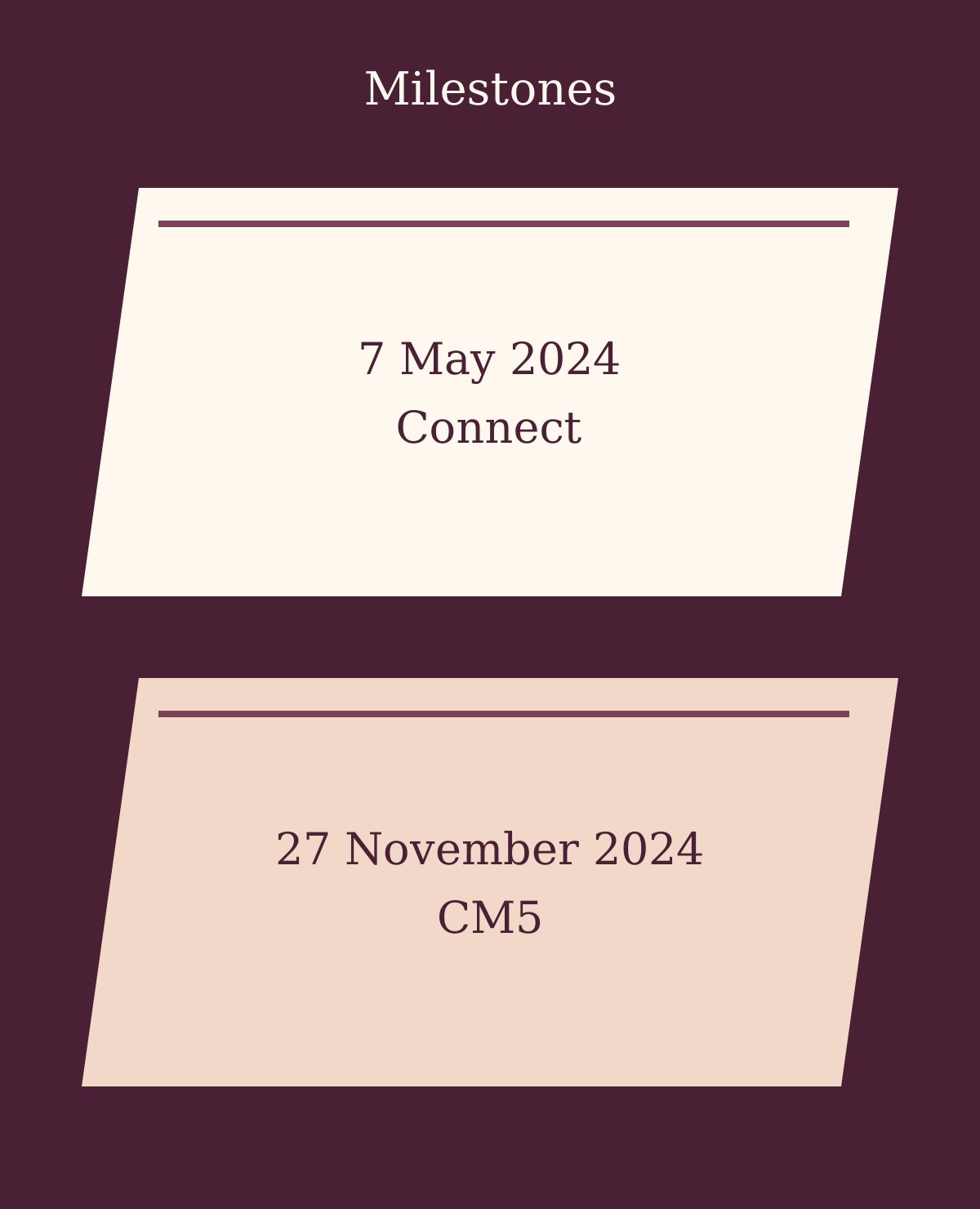
Raspberry Pi Connect entered beta on May 7, 2024. The service provided browser access to a remote desktop without requiring users to configure a conventional remote-desktop connection across different networks. At launch, it required a 64-bit Raspberry Pi OS Bookworm installation using the Wayland window server. The supported hardware at that stage comprised Raspberry Pi 4, Raspberry Pi 5 and Raspberry Pi 400. Those initial requirements preceded later extensions of the service. Gordon Hollingworth introduced the beta, with web-development lead Paul Mucur explaining the connection technology.
- WebRTC established a direct connection between the browser and device when possible.
- An encrypted relay connection provided a fallback when a direct path could not be established.
The device software negotiated the connection between an in-browser client and the device’s desktop server. At launch, one relay server in the United Kingdom could add latency for distant users. The company intended non-relayed personal connections to remain free, while leaving future treatment of relay bandwidth open. Enterprise fleet-management features belonged to later releases.
An accelerator alongside the main computer
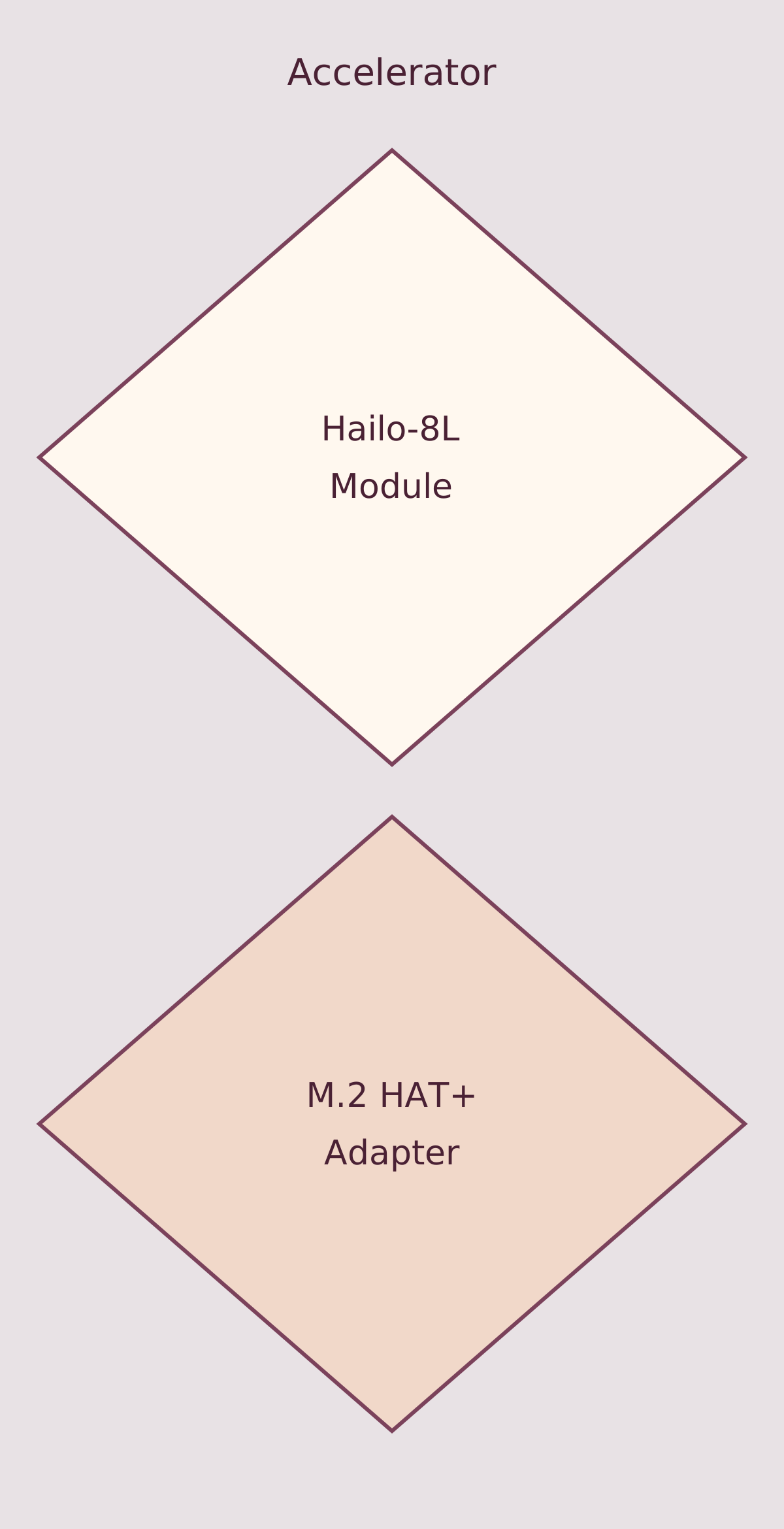
The Raspberry Pi AI Kit launched on June 4, 2024, at $70. Developed with Hailo, it combined a Hailo-8L accelerator module with Raspberry Pi’s M.2 HAT+ adapter. The assembly was intended for installation on Raspberry Pi 5. Its advertised 13 trillion operations per second described accelerator throughput, rather than the accuracy of a particular trained model. Tasks such as object detection, segmentation and pose estimation could run on the coprocessor while leaving the main processor available for other work. These were manufacturer-described applications and capabilities.
Software integration connected the accelerator with camera processing. The rpicam-apps suite included a post-processing template, while Hailo supplied processing libraries and a collection of optimized pretrained models. At launch, similar integration into the Picamera2 framework was still to follow. Developers could also use interfaces for GStreamer, Python and C or C++, including processing prerecorded video rather than a live camera. The kit therefore added an accelerator and supporting software to an existing computing platform. It was a separate product from the later AI HAT+ 2 and its generative-model capabilities.
Microcontrollers as a separate product family
Pico 2 launched on August 8, 2024, as a $5 microcontroller board built around Raspberry Pi’s RP2350A chip. It paired that device with 4MB of external flash. The chip provided 150MHz processor cores and 520KB of on-chip static memory. Unlike the larger application-processor boards, this product belonged to the microcontroller family. RP2350 could also be supplied to other hardware makers as a component, allowing customers to build their own boards instead of incorporating a complete Raspberry Pi computer. Board shipments and standalone chip shipments consequently described different products.
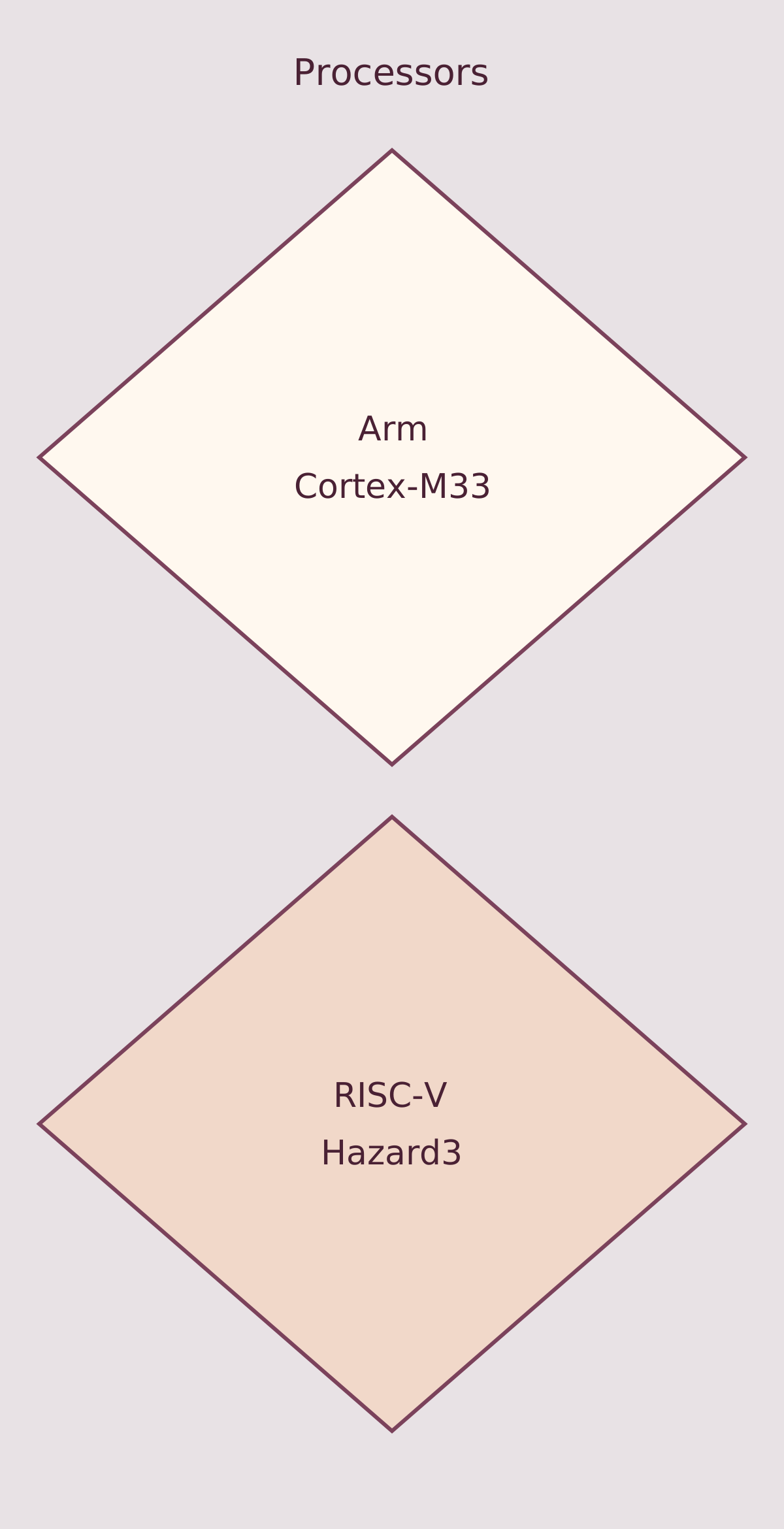
RP2350 offered Arm Cortex-M33 cores and alternative Hazard3 RISC-V cores selected at boot; the description did not mean four cores ran simultaneously. Updated development tools included the Pico software development kit and MicroPython and CircuitPython support. Security features included signed boot and one-time-programmable memory. Upton also announced independent security analysis and a bounty for breaking the signed-boot process, explicitly anticipating flaws that would need correction. Certification was a goal at launch. The product announcement therefore did not establish that every implementation was invulnerable or already independently certified.
Compute modules for customer-designed equipment
Compute Module 5 followed on November 27, 2024, with prices starting at $45. It adapted the Raspberry Pi 5 platform into a module for equipment makers who needed their own arrangement of connectors and peripherals. The module retained the 2.4GHz Cortex-A76 computing platform, with memory, storage and optional wireless configurations. Customers could connect it to a carrier board designed for a particular product. Mechanical compatibility with Compute Module 4 did not imply identical electrical behavior: changes included the camera/display interfaces and the addition of USB 3.0 interfaces.
The accompanying IO Board exposed the module’s interfaces and served as both a development platform and a reference design, with KiCad files available. Other accessories included cooling, a case and an antenna kit for wireless models. Launch configurations offered 2GB, 4GB or 8GB of memory, while 16GB variants were expected in 2025. Upton identified KUNBUS and TBS as partners introducing module-based products. These designs illustrated the module’s industrial role without making every prototype or future customer discussion a completed production order. The carrier-board approach gave customers control over application-specific hardware.

The first results after the listing
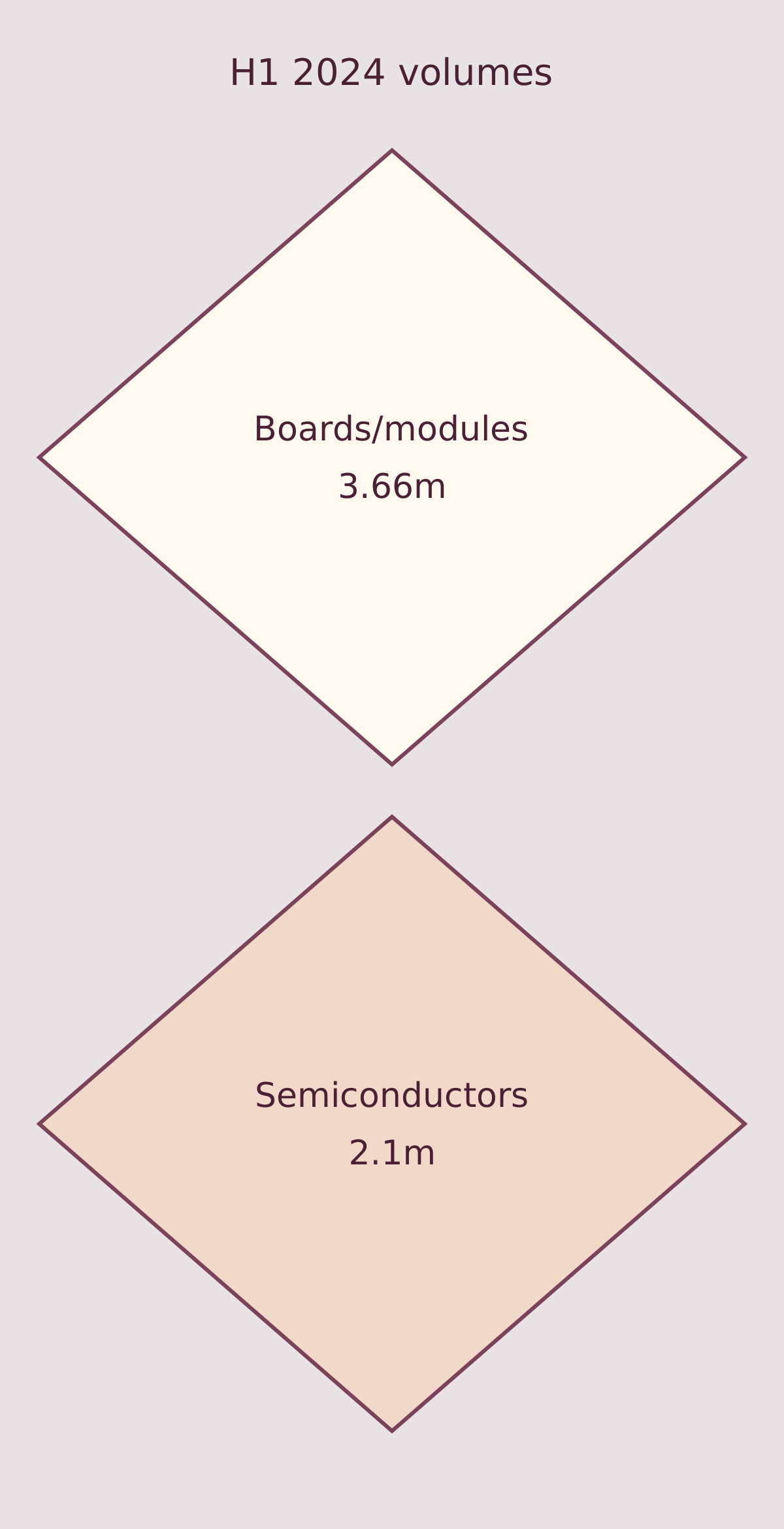
During the first half of 2024, Raspberry Pi sold 3.66 million single-board computers and compute modules, including 1.1 million Raspberry Pi 5 units. Separately, semiconductor sales reached 2.1 million units. The categories should not be treated as interchangeable measures of computer sales. Gross profit reached $34.2 million, and the company’s adjusted EBITDA measure reached $20.9 million. A more favorable product mix supported profitability even as customer and channel inventories were being adjusted after the supply shortages of preceding years. The comparison period had itself been constrained by component availability.
The company finished June with $40.4 million of net cash after receiving $31.8 million of IPO proceeds after fees. That net amount differed from gross fundraising figures. Its distribution model included direct relationships with equipment makers, approved resellers and a licensing arrangement with Farnell. Thirty-five percent of board and module units went through the remaining licensee during the half. Upton expected that share to settle within a lower range over time. His outlook also anticipated customer inventories normalizing toward year-end, rather than reporting that the process had already finished in June.
A full year of products and channel adjustment
For 2024, Raspberry Pi reported revenue of $259.5 million and gross profit of $63.2 million. Adjusted EBITDA was $37.2 million, compared with statutory profit before tax of $16.3 million. The adjusted measure was an alternative performance measure, not a substitute name for pretax or net profit. Board and module volumes totaled seven million, below 7.4 million in 2023. Semiconductor shipments reached 5.7 million, including 1.3 million devices used in Pico boards. Those component units were included within semiconductor volumes, rather than an additional category to add again.
The year brought 22 product launches and expansion of the approved-reseller network to 117 partners. Upton connected the commercial programme with $40 million of gross new company funding from the IPO. Separately, the foundation raised $180 million through the transaction and retained a 46.7% shareholding. The figures described different recipients and uses of capital. Company sales channels also shifted: direct-to-reseller and direct-to-equipment-maker channels accounted for 70% of units, with the remainder through Farnell. New software, modules, accessories and semiconductor products accompanied that adjustment, while management described the year’s inventory correction as an industry-wide challenge.
Industrial engagement and memory procurement
In the first half of 2025, Raspberry Pi generated $135.5 million of revenue and $33.2 million of gross profit. Adjusted EBITDA was $19.4 million. Semiconductor shipments reached 4.5 million units, exceeding the approximately 3.6 million boards and modules shipped during the period. Management described strengthening direct customer demand and an order backlog of about 600,000 units at the end of June. That backlog represented orders awaiting delivery, rather than revenue already recognized. Discussions with equipment makers covered both existing applications and prospective designs that could require further engineering work.
The company described more than 100 equipment makers in its design pipeline and over 20 engagements with senior technology executives. These were stages of customer development, not a count of completed supply contracts. At the same time, rising prices for the memory used in Raspberry Pi 4 and 5 required procurement changes. The company maintained inventories, worked with suppliers and qualified alternatives. It expected those arrangements to support its full-year sales goals. Planned over-the-air updates for Connect for Organisations were another part of its industrial strategy, but remained future functionality in this September announcement.
Two product businesses and supplier payments
For 2025, Raspberry Pi reported $323.2 million of revenue, $77.8 million of gross profit and $46.4 million of adjusted EBITDA. Statutory profit before tax was $26.5 million. Board and module shipments reached 7.6 million, while semiconductor shipments totaled 8.4 million. Upton described this as progress toward a business with two substantial product families. The chip business supplied components to partner-designed equipment, while the board and module business continued to provide more complete computing platforms. The unit counts measured different products with different prices and could not directly establish their respective revenue shares.
Year-end net cash was $28.1 million after the company repaid $52.2 million of previously extended supplier payables. The cash movement therefore included payment timing as well as the trading result. Thirteen product launches accompanied software changes, including over-the-air update functionality added to Connect in the fourth quarter. The company also diversified memory suppliers and adjusted prices as memory markets tightened. Management expected that supply environment to continue into 2026. Its forecasts about future capacity, customer adoption and the next computing platform remained expectations, rather than completed results of the 2025 reporting period.
Revenue growth and the cost of memory
In the first half of 2026, revenue reached $256.9 million, gross profit $59.4 million and adjusted EBITDA $40.3 million. Statutory profit before tax was $19.6 million. Board and module shipments increased to 4.2 million units, while the order backlog reached 2.6 million. Revenue growth substantially exceeded unit growth. Management attributed that difference to the product mix, including higher-memory variants, and particularly to passing higher memory-component costs through to customers. Consumption of memory bought earlier at lower prices also supported profitability. These factors distinguished the half-year result from a simple expansion in the number of computers sold.
Gross margin fell to 23% from 25% despite the increase in gross profit. Net cash was $18.4 million, and the company used borrowing facilities to help finance memory inventories. A positive net-cash balance therefore did not mean there was no gross borrowing. Raspberry Pi worked with Sony to increase production and planned further capacity. Management also said the unusually favorable first-half unit economics had moderated as lower-cost memory was consumed. Its expectations for the remainder of 2026 and for 2027 depended on future demand, production and procurement, rather than constituting completed annual outcomes.

Leave a comment